Have you ever followed a diet perfectly… worked out consistently… did everything “right”
Yet the scale refused to move?
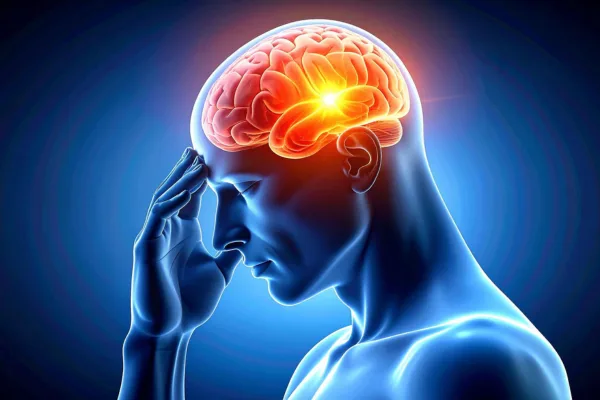
What if the real problem isn’t your willpower, your workout, or even your metabolism?
But a hormone almost no one talks about?
A hormone that can quietly raise your appetite, slow down your metabolism, and convince your body to store fat even when you’re trying your hardest to lose it.
That hormone is prolactin.
And if it’s higher than it should be, it can turn weight loss into an impossible battle.
Prolactin is most frequently thought of in relation to breastfeeding and the changes that women experience after giving birth.
Prolactin is a key hormone that promotes the production of milk following childbirth. The fact that prolactin does not just affect new mothers, however, is much less well known and even more unexpected.
It also has a major impact on appetite, weight regulation, metabolism, and fat storage.
The pituitary glands of both genders produce prolactin, and abnormalities in this hormone can cause imbalances in body weight.
What is prolactin, and why is it important?
The anterior pituitary gland secretes the hormone prolactin, which promotes lactation. Its influence extends well beyond that. Adipose tissue, the pancreas, the liver, immune cells, and even the brain contain prolactin receptors.
This means that prolactin has multiple roles in regulating:
- Immune responses
- Reproductive health
- Energy balance
- Body weight
Why Does High Prolactin Make Weight Loss So Hard?
The effect of prolactin on metabolism is one of its less well-known roles. Hyperprolactinemia, or elevated prolactin levels, has been linked to changes in the body fat storage process, an increase in appetite, and a slowdown in metabolism.
Elevated prolactin levels may cause your body to store fat instead of burning it. Prolactin may interfere with dopamine, a neurotransmitter that controls mood, pleasure and appetite.
Prolactin indirectly increases appetite by inhibiting dopamine, especially for comfort foods that are high in calories. This is why sudden weight gain and increased cravings are reported by some people with high prolactin levels.
High Prolactin Leads to Weight Gain
Weight gain and elevated prolactin levels are linked. Weight gain is the main symptom of patients with prolactinomas, which are benign pituitary tumours that result in an excess of prolactin.
What is more interesting is that once their prolactin levels are normalised with medications like dopamine agonists (e.g., cabergoline or bromocriptine), many of these individuals begin to lose weight, even without significant lifestyle changes.
…………………………………………………………….Because high prolactin disrupts the body’s natural energy balance, it may directly cause weight gain rather than merely correlate with it.
Can Low Prolactin Levels Affect Weight, Too?
Although the majority of research focuses on high prolactin levels and how they contribute to weight gain, hypoprolactinemia, or low prolactin, is also gaining attention.
Low prolactin levels can be associated with metabolic disturbances, particularly in individuals taking certain medications or with pituitary dysfunction.
What Causes Elevated Prolactin Levels?
Elevated prolactin levels can be caused by a number of factors.
- Prolactinomas (pituitary tumours)
- Hypothyroidism (low thyroid function)
- Chronic stress and elevated cortisol
- Certain medications, such as antipsychotics, antidepressants, and birth control pills
- Polycystic ovary syndrome (PCOS)
- Kidney or liver disease
A blood test to measure prolactin levels may indicate an underlying hormonal imbalance in people experiencing weight gain, fatigue or irregular menstrual cycles.
How to Manage Prolactin-Related Weight Changes
If weight gain is a result of high prolactin, treating the underlying cause is the most effective approach is to treat the root cause.
- When prolactin levels are lowered by dopamine agonists like cabergoline or bromocriptine, weight loss usually occurs gradually as hormone levels return to normal.
- Prolactin levels can be regulated by treating hypothyroidism, stress or other influencing factors.
- Although medicine is a major factor, hormonal balance and metabolic health are also supported by regular exercise, stress reduction, a healthy diet and good sleep habits.
Weight gain is frequently attributed to genetics, diet or exercise, but hormones like prolactin can play a significant but hidden role.
Knowing the relationship between prolactin and weight offers new possibilities for diagnosing and treating unexplained weight issues.
Checking prolactin levels may be the unexpected key to improving metabolic health.
Felciya is a Specialist Dietitian at The London Obesity & Endocrine Clinic. She has helped many patients overcome weight management barriers. ©Simplyweight
Top specialist weight loss clinic in Chennai