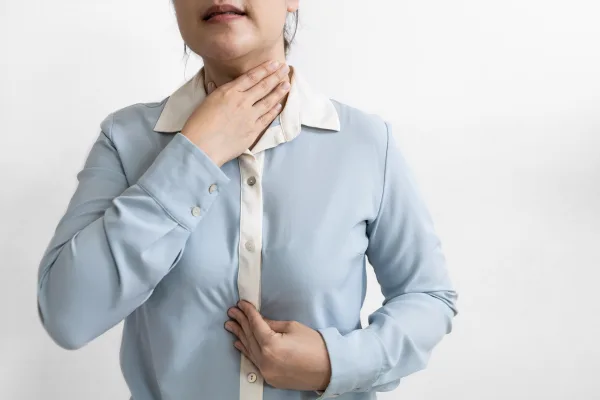
After finishing a meal, do you have a feeling that food or acid is rising back up your throat? That uncomfortable sensation is called regurgitation, and it is more common than you think.
Regurgitation is the involuntary return of swallowed food or gastric contents into the mouth or oesophagus without nausea or retching. It differs from vomiting, as it does not involve active abdominal contractions. It can feel like food or sour liquid creeping up your throat, and sometimes accompanied by a burning sensation.
Many people experience this occasionally, but frequent regurgitation may indicate an underlying disorder.
To understand regurgitation, we need to examine the normal swallowing process and how food moves through the digestive tract.
Phases of Digestion
In the oral phase, the food is chewed and mixed with saliva and forms a bolus. The bolus is pushed towards the oesophagus as the upper oesophageal sphincter relaxes; this is the pharyngeal phase. In the oesophageal phase, the bolus moves through the oesophagus via coordinated peristalsis, while the lower oesophageal sphincter relaxes to enter the stomach.
This ring-shaped muscle normally maintains a tonic contraction to prevent reflux of gastric contents while allowing passage of swallowed food and liquids.
If any of this part is disrupted, especially the function of the lower oesophageal sphincter, regurgitation can occur.
Causes of Regurgitation
One of the most common causes of regurgitation is GERD or gastroesophageal reflux disease. This occurs when the lower oesophageal sphincter, a muscular ring that acts as a barrier between the stomach and oesophagus, weakens or relaxes. This allows stomach acid and food to flow back up.
Other symptoms of GERD include heartburn, a sour taste in the mouth and sometimes difficulty swallowing.
Another possible cause is a hiatal hernia. This happens when a part of the stomach pushes up through the diaphragm into the chest cavity. Since the diaphragm helps keep stomach contents where they belong, a hernia can make reflux and regurgitation more likely.
If you experience regurgitation but don’t have GERD, it could be functional dyspepsia, a condition that affects how the stomach processes food. This can slow down digestion and lead to discomfort, bloating and regurgitation.
Conditions like achalasia or oesophageal spasm can cause difficulty in swallowing and lead to food getting stuck or coming back up.
Eating large meals or eating too quickly can put extra pressure on the stomach, making it easier for food to move back up into the oesophagus. If regurgitation happens mostly after heavy meals, adjusting your portion sizes and eating habits may help.
Certain foods and beverages can trigger regurgitation by relaxing the lower oesophagus sphincter. It can be spicy foods, caffeine, alcohol, chocolate, fatty meals, and carbonated drinks. If you notice symptoms after consuming these, cutting back might reduce the problem.
Occasional regurgitation may not be a cause for concern, but if it happens frequently, disrupts your daily life or is accompanied by weight loss, difficulty swallowing or severe chest pain, it is time to seek medical advice.
You can prevent regurgitation by having smaller, more frequent meals, avoiding trigger foods, and maintaining an upright posture after eating.
Kripa, is a Specialist Dietitian at The London Obesity & Endocrine Clinic. She has helped many patients overcome weight management barriers. ©Simplyweight
Top specialist weight loss clinic in Chennai