
Having years of experience, I have witnessed the great impact of metabolic disorders like type 2 diabetes mellitus and obesity on patients’ lives. I would see patients struggling with weight, blood sugar and increasing health complications that come with metabolic disorder.
15 years ago, managing medications for metabolic diseases managed one aspect of the disease, either lowering blood sugar or helping with weight.
But never truly addressed the underlying metabolic dysfunction. Their conditions were controlled marginally but were far from resolved. Then came the dual and triple agonists, which showed promising results for treatment. One such dual agonist is Tirzepatide.
Research shows that simultaneous activation of multiple gut-brain hormones produces:
- Greater weight loss
- Better glycaemic control
- Improved insulin sensitivity
- Favourable effects on lipids and inflammation
What is Tirzepatide?
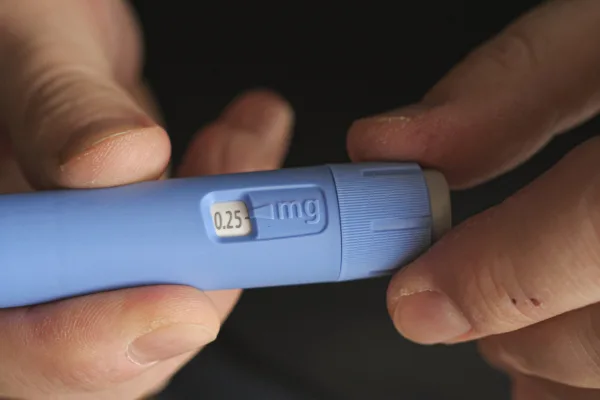
Tirzepatide is a once-weekly injection of both the glucose-dependent insulinotropic polypeptide and glucagon-like peptide receptors. This dual agonism enhances insulin secretion and inhibits glucagon release, leading to improved glycemic control and significant weight reduction.
How does it work?
GLP-1 and GIP are incretin hormones released from the gut in response to food intake and play a central role in regulating glucose and energy balance.
In humans, the naturally present hormone enhances the GLP-1, suppresses inappropriate glucagon release, slow gastric emptying, and increases satiety through central appetite pathways, leading to reduced food intake.
GIP complements these effects by improving insulin secretion and insulin sensitivity, particularly at the level of adipose tissue, and by modulating postprandial lipid metabolism.
In people with obesity and type 2 diabetes, the physiological incretin response is often impaired. Medications that activate GLP-1 and GIP receptors increase the signals, resulting in superior glycemic control, meaning full weight loss, and more benefits. These medications work by mimicking endogenous hormones while maintaining glucose-dependent action, which helps minimise the risk of hypoglycaemia.
What does the research say?
Many clinical studies on Tirzepatide have shown that there are reductions in HbA1c levels and body weight.
The SURPASS-2 trial shows that patients on tirzepatide achieved greater HbA1c reduction and greater weight loss than semaglutide 1 mg in type 2 diabetes on metformin.
SURPASS-CVOT study shows noninferiority to dulaglutide for major adverse cardiovascular events in patients with type 2 diabetes and ASCVD.
So What is the Future?
There is ongoing research on developing triple agonists, having Glucagon along with GLP-1 and GIP. Retatrutide is one such medication; the research is still ongoing, and there are promising results in clinical trials. In a 48-week phase 2 study, there was a weight reduction of up to 24.2% in participants who received the medication.
These work by simultaneously targeting multiple hormonal pathways and effectively managing metabolic disorders. Triple agonists like Retatrutide, which activate GLP-1, GIP and glucagon receptors, are still under investigation for their potential to further enhance metabolic outcomes.
But remember, there is no magic pill for weight loss. Although these medications are a powerful tool, it works alongside having a balanced nutrition, regular physical activity, consistent medical monitoring and personalised lifestyle modification.
Kripa, is a Specialist Dietitian at The London Obesity & Endocrine Clinic. She has helped many patients overcome weight management barriers. ©Simplyweight
Best obesity clinic in Chennai