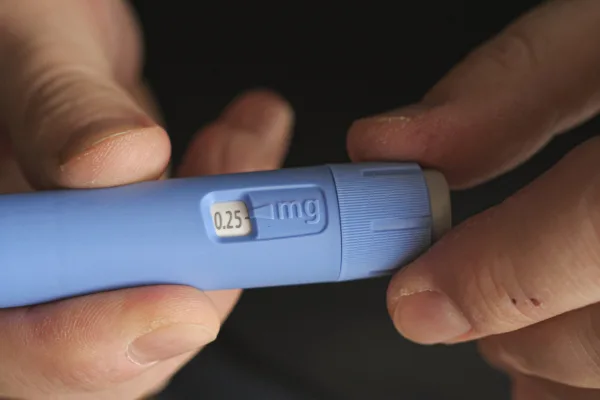

Insulin injections are a life-saving and essential part of diabetes management for many people. However, one common side effect is often overlooked or not discussed enough: the development of fatty lumps under the skin, medically known as lipohypertrophy.
Although these lumps are usually painless, they can have a significant impact on insulin absorption and blood glucose control.
Understanding why lipohypertrophy occurs and how to prevent it is an important part of effective diabetes care.
What is Lipohypertrophy?
Lipohypertrophy is a thickening or build-up of fatty tissue that develops under the skin at insulin injection sites. It may feel firm, rubbery or slightly swollen. In some cases, it is not immediately visible but can be detected by gently feeling the skin.
This condition develops when insulin is repeatedly injected into the same area over a long period.
Rather than being a fault with the insulin itself, lipohypertrophy is a local tissue response to repeated injections.
Why Does Lipohypertrophy Occur?
Insulin is a hormone that promotes fat storage. When the same injection site is used repeatedly, insulin’s local action stimulates fat cells in that area to grow and multiply.
Additionally, repeated needle trauma can cause low-grade inflammation in the tissue. Over time, this combination of fat cell enlargement and inflammation leads to the formation of fatty lumps beneath the skin.
Why Does It Matter?
Lipohypertrophy affects how insulin is absorbed into the bloodstream. Fatty areas absorb insulin less predictably, meaning your usual dose may not work as expected.
This can result in:
- Unexplained high blood glucose levels
- Sudden episodes of low blood sugar
- Increased glucose variability despite correct dosing.
Many people experience unstable blood sugar control without realising that poor absorption from lipohypertrophic areas is the cause.
Where Does Lipohypertrophy Commonly Occur?
Lipohypertrophy most often develops in the abdomen, as this is the most frequently used injection site. However, it can occur anywhere insulin is injected regularly, including:
- Thighs
- Upper arms
- Buttocks
Any site that is used repeatedly without proper rotation is at risk.
How Can Lipohypertrophy Be Prevented?
Good injection technique is key to prevention. Helpful strategies include:
- Rotate your injection sites consistently.
- Move at least a finger-width away from your last spot each time.
- Avoid injecting into areas that already feel lumpy.
- Always use a fresh needle.
- Choose the correct needle length to reduce tissue damage.
These practices help protect the underlying tissue and ensure more consistent insulin absorption.
What Should You Do If You Notice Lumps
If you notice lumps, thickened skin, or changes in how your insulin seems to work, it is important to speak with your healthcare professional.
They can:
- Examine injection sites for lipohypertrophy
- Provide advice on site rotation techniques
- Adjust insulin doses if needed
- Recommend alternative injection sites or delivery methods
Avoid injecting into affected areas, as this can worsen absorption problems.
Summary
Lipohypertrophy, often referred to as insulin-related fat lumps, is a common issue for people who use injectable insulin. While it is usually painless, it can interfere with insulin absorption and lead to unstable blood glucose levels.
The good news is that lipohypertrophy is both preventable and manageable. With proper injection technique, regular site rotation and early recognition of skin changes, people with diabetes can support better insulin absorption and maintain more stable glucose control.
Lydia, is a Specialist Dietitian at The London Obesity & Endocrine Clinic. She has helped many patients overcome weight management barriers. ©Simplyweight
Top obesity clinic in Chennai