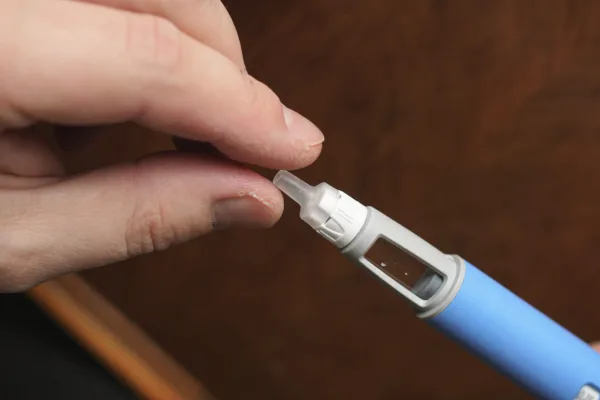
There are many weight-loss drugs available on the market, but do you know how they help with weight loss? It not just suppresses your appetite but also works with your natural biology. I will break down the science behind one such medication, Liraglutide.
Liraglutide is a medication that mimics a natural hormone in our body called Glucagon-like peptide-1. This hormone plays a crucial role in regulating appetite and blood sugar levels.
When we eat, GLP-1 is released, signalling our brain to reduce appetite and slow down gastric emptying. Liraglutide, being 97% similar to native GLP-1, binds to the same receptors, enhancing these effects. It exerts anorexigenic effects by acting on the hypothalamus, a brain region responsible for appetite control. It enhances satiety and reduces hunger by modulating neuronal activity in areas such as the arcuate nucleus. Additionally, liraglutide influences reward-related brain regions, diminishing the appeal og high-calorie foods, which contributes to decreased calorie intake.
Liraglutide slows gastric emptying, leading to prolonged feelings of fullness post-meals. It also improves insulin sensitivity and promotes glucose-dependent insulin secretion, aiding in glycaemic control. These effects collectively contribute to reduced food intake and weight loss.
Many clinical trials have demonstrated the efficacy of liraglutide in weight management. In a randomised controlled trial, people on 3mg of liraglutide daily experienced significant weight loss compared to placebo.
One study reported that 92% of patients treated with liraglutide experienced a statistically significant reduction in body weight.
The medication is well-tolerated. But some do experience some common side effects, including nausea and vomiting.
To summarise, Liraglutide supports weight management by mimicking the GLP-1 hormone, reducing appetite, slowing gastric emptying, and improving blood sugar control. Combining liraglutide with regular exercise not only enhances weight loss but also helps maintain bone density, addressing concerns about bone health during weight reduction.
Kripa, is a Specialist Dietitian at The London Obesity & Endocrine Clinic. She has helped many patients overcome weight management barriers. ©Simplyweight
Top obesity clinic in Chennai