
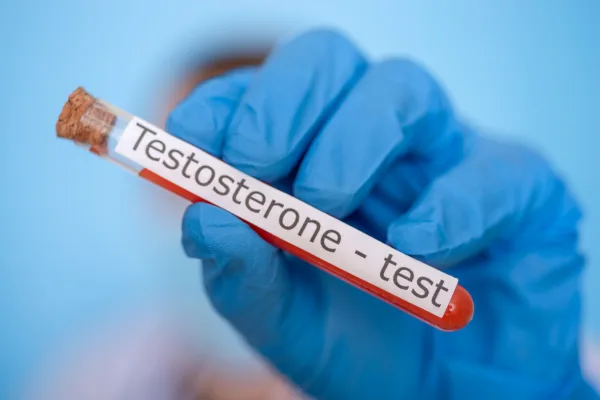
What is Testosterone and Why Does it Matter?
Testosterone is the principal male sex hormone, produced mainly in the testes.
While it is well known for its role in reproductive function, muscle strength and bone health, it is also essential for metabolic regulation.
Testosterone influences how the body processes glucose, fats, and proteins, particularly in the liver, skeletal muscle and adipose tissue.
Adequate levels are therefore vital for both physical and metabolic well-being.
How Testosterone Influences Metabolism
Testosterone plays a central role in maintaining metabolic balance.
It supports insulin sensitivity, promotes fat breakdown, contributes to efficient cellular energy production, and helps maintain a healthier cholesterol profile.
Through these mechanisms, testosterone supports balanced function across muscle, liver, and fat tissue.
Low Testosterone and Weight Gain – The Link
Low testosterone, or hypogonadism, is associated with increased body fat, especially around the abdomen.
Reduced levels encourage fat storage and expansion of adipose tissue, contributing to greater visceral fat and a higher risk of obesity.
This pattern of fat distribution is closely linked to metabolic dysfunction.
The Impact on Muscle Mass and Fat Distribution
Testosterone is crucial for maintaining muscle mass and strength.
When levels decline, muscle mass reduces, and body fat tends to accumulate centrally.
Loss of muscle lowers resting metabolic rate, making weight gain more likely.
Increased abdominal fat also contributes to insulin resistance and raises the risk of metabolic syndrome.
Insulin Resistance, Diabetes, and Testosterone
Low testosterone is strongly associated with insulin resistance and type 2 diabetes.
Reduced muscle mass and increased visceral fat impair glucose regulation, increasing cardiometabolic risk.
Men with metabolic syndrome or type 2 diabetes are more likely to have low testosterone, highlighting the close relationship between hormonal and metabolic health.
How Ageing Affects Testosterone and Metabolic Health
Testosterone levels naturally decline with age, often beginning from the age of 40.
In some men, this progresses to late-onset hypogonadism.
Age-related decline is linked with….
- Increased fat mass
- Reduced muscle
- Worsening insulin sensitivity
- Abnormal lipid levels
- A higher long-term risk of cardiovascular disease.
Lifestyle Factors That Lower Testosterone
Several lifestyle factors can suppress testosterone production, including…
- Obesity
- Poor diet
- Chronic stress
- Physical inactivity
- Inadequate sleep.
Excess visceral fat increases the conversion of testosterone to oestrogen, further lowering levels. Very low-fat diets may also negatively affect circulating testosterone.
Boosting Testosterone Naturally – Diet, Exercise, and Sleep
Healthy body weight, regular resistance training, adequate dietary fat, restorative sleep and stress management all support natural testosterone production.
These measures benefit both hormonal balance and overall metabolic health.
When to Test – Recognising Symptoms of Low Testosterone
Symptoms of low testosterone may include…
- Fatigue
- Reduced libido or erectile dysfunction
- Loss of muscle mass
- Increased abdominal fat
- Mood changes.
These often coexist with metabolic issues such as insulin resistance or diabetes.
Testing typically involves measuring morning total and free testosterone levels on two separate occasions to confirm deficiency.
What Are the Consequences If Left Untreated?
Untreated low testosterone can progressively worsen metabolic health. It is associated with…
- Increasing abdominal fat
- Abnormal cholesterol
- Reduced insulin sensitivity
- Metabolic syndrome
- A higher risk of type 2 diabetes and cardiovascular disease. B
Bone strength, mood, energy and sexual health may also decline.
Testosterone Therapy – Risks and Benefits
Testosterone replacement therapy (TRT) is considered for men with confirmed deficiency and consistent symptoms.
Treatment aims to restore physiological hormone levels and improve body composition, insulin sensitivity, mood and quality of life.
Current evidence suggests benefits for metabolic parameters in appropriately selected men, without clear short- to medium-term cardiovascular risk.
However, careful assessment and long-term monitoring are essential.
Summary
Testosterone is not only a reproductive hormone but a key regulator of metabolic health.
Low levels are linked to increased abdominal fat, reduced muscle mass, insulin resistance, and greater risk of cardiometabolic risk.
Supporting testosterone through lifestyle measures and medical treatment when indicated can help maintain hormonal balance and protect long-term metabolic health.
Testosterone is not only a reproductive hormone; it is a key regulator of metabolic health.
Hema, is a Specialist Dietitian at The London Obesity & Endocrine Clinic. She has helped many patients overcome weight management barriers. ©Simplyweight
Top obesity clinic in Chennai