
Microdosing weight-loss drugs has quickly become the latest wellness buzzword, fueled by social media claims of effortless results with fewer side effects. The idea is simple and appealing: take a fraction of the prescribed dose and still reap the benefits of steady weight loss, reduced appetite, and better control without the discomfort that often comes with full-strength medications.
But as this trend gains momentum, important questions remain. These drugs were clinically tested at specific doses for a reason, and dialling them down may change how they work or whether they work at all. Is microdosing a smarter, more individualised approach to weight management, or just another health trend racing ahead of the science? Separating fact from fiction is essential before turning medical treatments into lifestyle experiments.
What is microdosing?
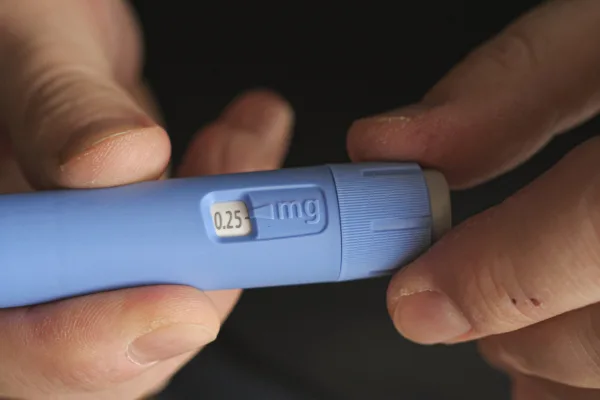
Microdosing, a term borrowed from other areas of medicine and wellness, generally refers to taking doses far below the standard therapeutic amount. In the context of weight-loss drugs, especially GLP-1 receptor agonists such as semaglutide or tirzepatid,e microdosing typically means using a fraction of the lowest approved dose, often with the goal of reducing side effects while still gaining some appetite control. Unlike psychedelic microdosing, which has informal and often anecdotal roots, microdosing weight-loss drugs is not an officially recognised or standardised medical approach. Most prescriptions are designed around carefully studied dose-escalation schedules, meaning microdosing sits outside the boundaries of how these medications were clinically tested.
The Science Behind Weight-Loss Drugs and Why Dose Matters
Modern weight-loss medications work by targeting hormones and neural pathways involved in appetite, satiety, and glucose regulation. GLP-1–based drugs, for example, slow gastric emptying, reduce hunger signals in the brain, and improve insulin sensitivity. These effects are dose-dependent, meaning the magnitude of benefit observed in clinical trials occurred at specific, carefully controlled doses. When doses are significantly reduced, the biological response may be too weak to produce meaningful or sustained weight loss. While some people may experience subtle appetite suppression at very low doses, the robust metabolic and hormonal effects that lead to clinically significant weight reduction may not fully activate.
Claims vs. Evidence: Does Microdosing Actually Work?
Proponents of microdosing often claim it leads to steady, “gentler” weight loss without nausea, fatigue, or gastrointestinal discomfort. However, there is currently limited scientific evidence to support these claims. Most data comes from anecdotal reports rather than controlled studies. Clinical trials that demonstrated 10–20% body-weight reduction used standard or near-standard doses, not microdoses. This does not mean microdosing is entirely ineffective, but it does mean expectations should be realistic. In many cases, any short-term weight changes may stem from heightened dietary awareness or placebo effects rather than the pharmacological action of the drug itself.
Potential Benefits: Why Some People Are Drawn to Microdosing
Despite the lack of strong evidence, microdosing has an understandable appeal. Weight-loss drugs can cause side effects such as nausea, vomiting, constipation, and fatigue, particularly during dose escalation. For individuals who are highly sensitive to medications or anxious about side effects, microdosing may feel like a safer entry point. Others see it as a long-term maintenance strategy after achieving weight loss with higher doses. Psychologically, microdosing can offer a sense of control and reduce fear around starting a medication that has gained intense media attention.
The Risks and Downsides Often Overlooked
Microdosing is not risk-free. Using doses below therapeutic levels may lead to inconsistent results, frustration, and premature discontinuation of treatment. There is also the risk of self-adjusting doses without medical guidance, which can lead to improper use, wasted medication, or delayed access to more effective care. Additionally, subtherapeutic dosing may fail to improve metabolic markers such as blood sugar or cholesterol, giving a false sense of progress while underlying health risks remain unchanged.
Medical Guidance vs. DIY Approaches
One of the most important distinctions in the microdosing debate is whether it is done under medical supervision. Clinicians sometimes use slower-than-standard titration schedules for patients who experience side effects, which is very different from unsupervised microdosing. A healthcare provider can monitor weight trends, lab values, and side effects to determine whether a low dose is appropriate or if adjustments are needed. DIY microdosing, especially using compounded or shared medications, increases the risk of dosing errors and undermines the safety framework that these drugs require.
Fact or Fiction? A Balanced Verdict
The idea that microdosing weight-loss drugs is a universally effective, side-effect-free solution is largely fiction. While very low doses may offer mild appetite control for some individuals, they are unlikely to replicate the results seen in clinical trials. That said, the concept is not entirely baseless; carefully managed low-dose strategies may have a role for select patients under professional supervision. The key distinction lies between evidence-based medicine and anecdotal experimentation.
What to Consider Before Trying Microdosing?
Microdosing weight-loss drugs should not be viewed as a shortcut or a guaranteed safer alternative. Anyone considering this approach should weigh the limited evidence against the potential downsides and discuss goals openly with a qualified healthcare provider. Sustainable weight loss still relies on a combination of medical guidance, realistic dosing, nutrition, physical activity, and long-term behavioural change. In the end, informed decisions, not trends, are what lead to lasting health outcomes.
Felciya, is a Specialist Dietitian at The London Obesity & Endocrine Clinic. She has helped many patients overcome weight management barriers. ©Simplyweight
Best obesity clinic in Chennai