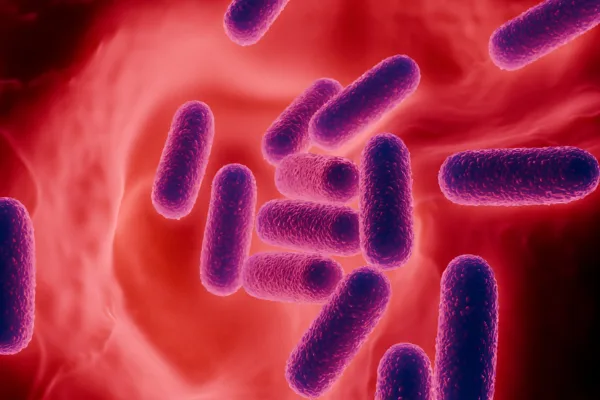
The human gut is home to trillions of microorganisms that play a powerful role in digestion, immunity, and metabolism. In recent years, scientists have discovered that the gut microbiome also strongly influences body weight and fat storage.
This has led to growing interest in microbiome transplants, also known as faecal microbiota transplantation (FMT), as a potential tool to “reset” metabolism and support weight management.
What Is a Microbiome Transplant?
A microbiome transplant involves transferring gut bacteria from a healthy donor into the digestive tract of a recipient. This is usually done via a capsule, colonoscopy, or enema. While it might sound unappealing, FMT is already used effectively to treat Clostridioides difficile (C. diff) infections, which can be life-threatening and resistant to antibiotics. Now, researchers are asking: Can this technique be used to “reset” metabolism and promote weight loss?
The Gut Microbiome and Weight Regulation
Gut bacteria influence how efficiently calories are extracted from food, how fats are stored, and how appetite hormones are regulated. Certain microbial patterns are associated with obesity, including reduced diversity and a higher capacity to harvest energy from the diet. Lean individuals tend to have a more diverse microbiome that promotes better insulin sensitivity and reduced inflammation.
Evidence Linking Microbiome Transplants and Weight
Human studies are more limited, but early trials suggest that FMT from lean donors may improve insulin sensitivity and metabolic markers, particularly when combined with dietary changes.
Microbiome Transplants and Insulin Sensitivity
One of the most consistent findings in human studies is improved insulin sensitivity after microbiome transplantation. This effect appears to be driven by enhanced short-chain fatty acid production, reduced gut inflammation, and improved gut barrier function, all of which play a role in metabolic health.
Why Weight Loss Effects Are Modest
Despite promising metabolic improvements, microbiome transplants alone rarely lead to significant or sustained weight loss. The recipient’s existing diet, lifestyle, medications, and genetics strongly influence whether the transplanted microbes can successfully colonise the gut. Without supportive dietary changes, the microbiome often reverts to its original state.
Diet: The Key to Microbiome “Reset”
For microbiome transplants to have lasting metabolic benefits, they must be paired with a microbiome-friendly diet. High-fibre, plant-rich foods, fermented products, and reduced ultra-processed foods help maintain beneficial bacteria. In this context, diet acts as the fertiliser that allows healthy microbes to thrive.
Risks and Current Limitations
FMT is still considered an experimental therapy for obesity. There are potential risks, including infection transmission and unknown long-term effects. As a result, microbiome transplants should only be performed in regulated clinical or research settings.
Can Microbiome Transplants Reset Weight?
Microbiome transplants alone are not a magic solution for weight loss, but they offer valuable insight into how deeply gut bacteria influence metabolism. Their greatest potential lies in improving insulin sensitivity and metabolic health rather than directly causing weight loss. In the future, targeted microbiome therapies, including personalised probiotics, postbiotics, and precision nutrition, may provide safer and more effective ways to harness the microbiome for sustainable weight management.
Felciya, is a Specialist Dietitian at The London Obesity & Endocrine Clinic. She has helped many patients overcome weight management barriers. ©Simplyweight
Top obesity clinic in Chennai