
At first glance, taking a pill or receiving an injection may seem like two simple ways to deliver medicine. But once inside the body, these methods lead to very different outcomes.
Oral medications must navigate the digestive system, survive stomach acid, and pass through the liver before they can take effect.
Injectable peptides, on the other hand, are delivered directly into the body, allowing them to act faster and more precisely.
This difference in delivery explains why peptides are often used for targeted therapies that rely on the body’s natural signalling systems.
What Are Oral Medications?
Oral medications are the most common form of drug delivery. These are taken by mouth, either as pills, capsules, tablets, or liquids. Once ingested, the drug travels through the digestive system, where it is broken down and absorbed into the bloodstream through the lining of the stomach or intestines.
This method is convenient and non-invasive, making it ideal for many chronic conditions or short-term treatments. However, the journey through the digestive tract can affect how much of the drug actually reaches the bloodstream. This is known as bioavailability, and it can be significantly reduced due to the harsh acidic environment of the stomach and metabolic processing by the liver.
Absorption and Bioavailability
One of the most significant differences between injectable peptides and oral medications lies in how they are absorbed. Oral medications are taken by mouth and must pass through the digestive system. This process includes breakdown by stomach acid and enzymes, followed by absorption in the intestines and processing by the liver, a route known as first-pass metabolism. As a result, the actual amount of the drug that reaches the bloodstream can be significantly reduced.
In contrast, injectable peptides are delivered directly into the body’s tissues (typically under the skin or into the muscle). This allows them to bypass the digestive system entirely, leading to much higher bioavailability. In other words, more of the active ingredient reaches the bloodstream and can start working quickly.
The Challenge with Peptides: Why Oral Doesn’t Work
Peptides are short chains of amino acids that act as signalling molecules in the body. They regulate a wide range of functions, such as hormone production, tissue repair, metabolism, and immune response. However, peptides are made of protein, and when taken orally, they are subject to the same breakdown process as food proteins.
In the stomach and small intestine, enzymes quickly degrade these peptides into their basic amino acid components, rendering them inactive before they can even enter the bloodstream. Additionally, the liver’s “first-pass metabolism” further reduces their potency. As a result, most peptides are ineffective when taken orally and must be administered in other ways.
How Injectable Peptides Work
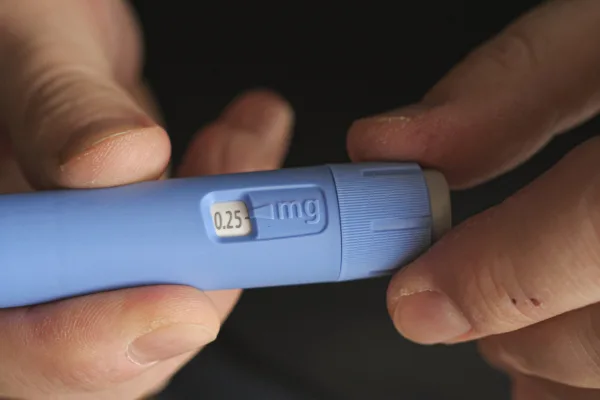
Injectable peptides bypass the digestive system entirely. They are typically delivered via subcutaneous (under the skin) or intramuscular (into the muscle) injections. Once injected, the peptide is absorbed directly into the bloodstream or lymphatic system, allowing it to circulate throughout the body without being destroyed by digestive enzymes or liver metabolism.
This direct route ensures high bioavailability, meaning a greater percentage of the drug reaches its target site intact and in its active form. As a result, injectable peptides can work more effectively and often more quickly than oral alternatives.
Targeted Action and Timing
Another benefit of injectable peptides is their ability to be timed precisely. Some peptides mimic or enhance naturally occurring hormones and biological processes, such as growth hormone release or tissue regeneration. By injecting them at specific times, for example, before sleep or post-exercise, users can mimic or amplify the body’s natural rhythms and optimise therapeutic outcomes.
This kind of targeted, controlled administration is much harder to achieve with oral drugs, which often have delayed onset and variable absorption rates.
Stability and Potency
Peptides are delicate molecules. Even in injectable form, they must be stored properly, usually in a refrigerated environment, to maintain stability and effectiveness. While this adds a layer of complexity to their use, it is also why injection is the preferred delivery method. It preserves the potency of the peptide and ensures that patients receive the full therapeutic benefit.
While both oral medications and injectable peptides serve vital roles in healthcare, their differences lie in how the body processes them. For complex, protein-based molecules like peptides, injection provides a pathway that ensures they can do their job effectively. Understanding these differences helps patients and healthcare providers make informed decisions about treatment options.
Felciya, is a Specialist Dietitian at The London Obesity & Endocrine Clinic. She has helped many patients overcome weight management barriers. ©Simplyweight
Top obesity clinic in Chennai