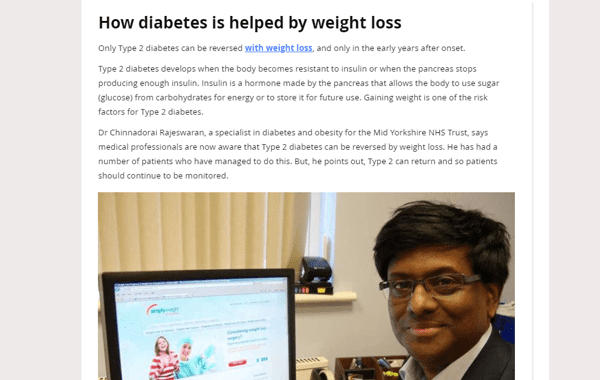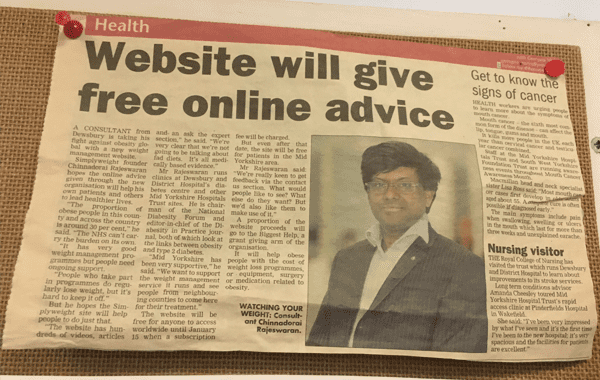

I am Dr Rajeswaran, an endocrinologist and bariatric Physician. In my years of practice, I have seen that in people with obesity, and once they start to lose weight, their HbA1c improves, and some go from prediabetes to non-diabetes, and those who have HbA1c 9% come down to 6%.
I am going to discuss whether a patient follows a structured weight management plan, which can improve glycemic control.
Type 2 diabetes and prediabetes are strongly linked to excess body weight. Adipose tissue is not just a fat storage site, but it is an endocrine organ that releases inflammatory cytokines and hormones that interfere with insulin action. This interference leads to insulin resistance, higher glucose levels, and eventually poor glycaemic control.
In my 25+ years of experience, many of my patients tell me they have tried multiple diets in the world and initially lost weight, but once they stop following the diet for any reason, they often regain the lost weight, sometimes even more than before.
What happens is…
When people lose weight through diet, their insulin sensitivity, blood sugar control, blood pressure and cholesterol improve. But when they stop following the diet, they tend to regain it back to lose weigh,t and the improved health is reversed, and in some cases, the health risks may worsen.
This is because the body undergoes metabolic adaptations during weight loss, like reduced energy expenditure, increased hunger hormones and reduced satiety hormones, which makes weight regain more likely.
The regained fat accumulates in the abdominal region, which is called visceral fat. When the abdominal fat is high, our body becomes less sensitive to insulin, which increases the risk of developing other metabolic conditions like heart problems, diabetes, and high cholesterol levels.
Poor insulin sensitivity leads to poor glycaemic control.
Structured weight management tackles this problem well. First, it helps set goals for how much weight you lose and how to maintain it in the long term, and second, it provides a balanced plan. Third, it adds regular physical activity, which helps muscles absorb more glucose. Structured weight management focuses on follow-up and monitoring, which allows people to stay on track and also allows the doctor or any healthcare professional to help the patient with any needs that arise.
So, what exactly is a structured weight management plan?
Structured weight management is an organised approach and provides a personalised plan.
- Personalised Nutrition
Nutrition should be personalised, as everyone’s needs are different. No, one diet suits everyone. It is important to eat a balanced diet with a mix of the right quantity of protein, carbohydrates, healthy fats and fibre to prevent post-meal spikes and to have sustained energy.
- Physical activity
Food and medicine alone may not be sufficient for long-term health improvements. Talk to your healthcare provider to provide you with a structured exercise routine. The plan can include a mix of aerobic exercise and resistance training. Aerobic exercise, like walking, cycling, or swimming, helps muscles absorb more glucose. Resistance training strengthens the muscles, and higher muscle mass helps lose fat more efficiently. Reduced fat in the body helps improve insulin sensitivity.
- Behavioural support
A structured plan focuses on the whole, not just food and exercise. Behavioural support helps you set realistic goals, track your progress and help you stay motivated. It also helps with staying away from eating unhealthy snacks and building habits. This helps with maintaining weight and sugar control.
- Follow-up and monitoring
Regular follow-ups and check-ins help your doctor and you to stay on track. It gives you feedback on what is working and what is not. You can make adjustments and improve after every consultation.
By combining all the components, it helps you lose the excess fat, especially around the waist, improve sensitivity, and keep your blood sugar more stable. Structured weight management has been shown to have the best outcomes in the long term, as it provides a sustainable outcome.
Top obesity clinic in Chennai